
Vegetation management is often treated as a routine maintenance item on solar projects. Something that gets addressed later, after the site is operational. But poor vegetation planning can quietly become one of the most expensive and disruptive risks to long term solar performance.
From increased O&M costs to lost production and even safety hazards, vegetation issues rarely stay small. They compound over time and impact reliability, revenue, and asset value.
Here’s what solar owners, operators, and developers often overlook and what it actually costs when vegetation planning is not handled strategically from the start.
1. Higher Long Term O&M Costs
When vegetation planning is reactive instead of proactive, maintenance becomes more frequent, more urgent, and more expensive.
Instead of scheduled, predictable vegetation control, teams are forced into emergency mowing, mechanical clearing, or chemical treatments on short notice. This typically means:
- Higher labor costs
- Rush scheduling fees
- Increased equipment mobilization
- Repeated site visits instead of optimized cycles
Over time, this approach can easily double or triple vegetation management costs compared to a well planned, long term strategy.
2. Lost Energy Production From Shading and Soiling
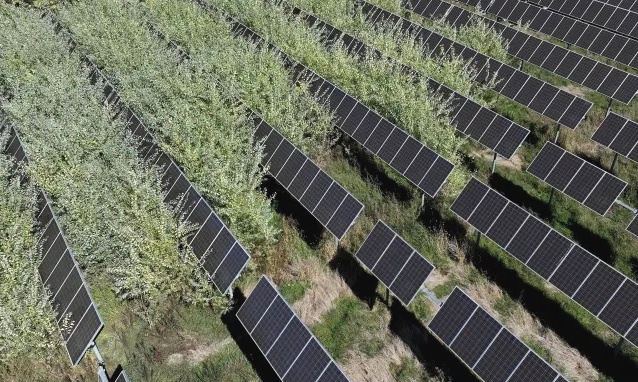
Even small amounts of unmanaged vegetation can cause partial shading, leading to:
- Reduced panel output
- Mismatch losses across strings
- Inverter inefficiencies
- Higher soiling rates from pollen, seeds, and debris
These losses are often gradual and unnoticed until performance metrics start slipping. By the time the issue is visible in reporting, the project has already lost months or years of optimal production.
That lost generation is a direct financial cost, not just a maintenance issue.
3. Increased Risk to Equipment and Infrastructure
Poor vegetation planning increases physical risk to solar assets in several ways:
- Roots can destabilize racking or underground infrastructure
- Tall grasses increase fire risk, especially in dry regions
- Dense growth limits access for inspections and repairs
- Wildlife habitat can increase damage to wiring and components
Each of these risks increases the likelihood of unplanned outages, insurance claims, and expensive repairs.
4. Safety and Compliance Exposure
Vegetation also affects site safety and regulatory compliance.
Unmanaged growth can:
- Obstruct access roads and emergency routes
- Increase fire load near energized equipment
- Create trip hazards and unsafe working conditions
- Violate local fire, environmental, or vegetation control requirements
This exposes operators not just to operational risk, but also to compliance issues, fines, and liability.
5. Shortened Asset Life and Reduced Site Value
Solar projects are long term investments. Anything that increases operational risk, maintenance volatility, or equipment degradation affects the asset’s long term value.
Poor vegetation planning contributes to:
- Faster wear on components due to heat, shading, and debris
- More frequent repairs and replacements
- Higher perceived risk for buyers, investors, or insurers
All of this reduces the overall return on the project, even if the initial savings from cutting corners looked attractive.
How Strategic Vegetation Planning Changes the Outcome
Effective vegetation management is not about cutting everything down. It is about designing a site specific plan that balances:
- Vegetation control
- Environmental responsibility
- Soil stability and erosion prevention
- Predictable maintenance cycles
- Long term asset protection
A proactive plan accounts for plant growth patterns, seasonal conditions, regional climate, and site usage. It reduces surprises, stabilizes costs, and protects performance year after year.
This is where specialized solar vegetation management makes a real difference.
Why Vegetation Planning Is a Core Part of Solar Performance
The hidden costs of poor vegetation planning rarely show up on a project’s original budget. They appear slowly, through lost production, rising O&M expenses, increased risk, and long term asset degradation.
For solar operators focused on performance, reliability, and return, vegetation planning is not a secondary task. It is a core part of protecting the investment.
Addressing it early and strategically is one of the most effective ways to reduce risk, control costs, and improve long term outcomes across a solar portfolio.
Talk With a Solar Vegetation Management Specialist
If you want to reduce risk, stabilize maintenance costs, and protect the long term performance of your solar assets, KerTec can help.
We specialize in vegetation management designed specifically for utility scale solar. Our approach focuses on predictability, safety, and asset protection.
Visit the Contact page if you would like to talk with our team about your specific site and goals.